


The different types of hives
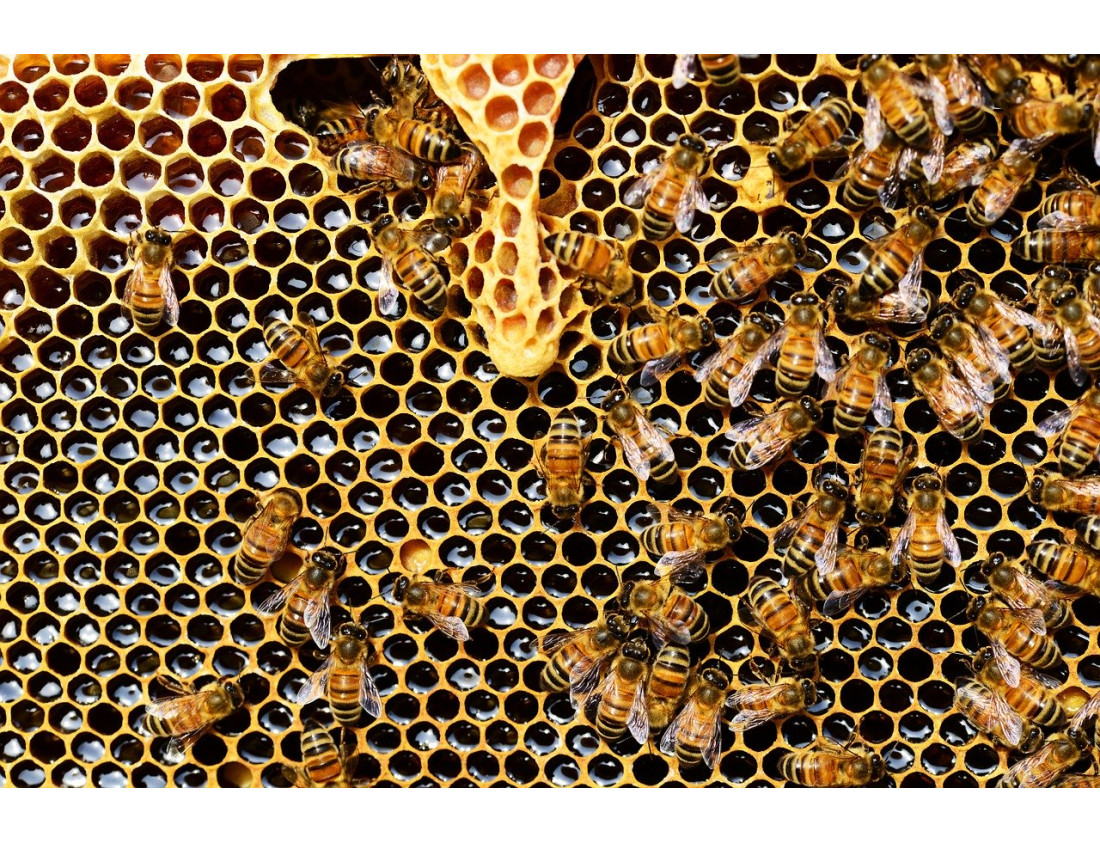
Being a beekeeper is a profession in its own right, and one that attracts many curious visitors every year. For many, it's a passion before a job, and even an inheritance that's often passed down from generation to generation. Despite the fact that beekeeping is an attractive profession, few dare to take the plunge! It's important to be well-informed before undertaking anything, and to be aware that the survival of bees and their development is more than essential to our own survival.
So, whether you're new to beekeeping or already know a thing or two about it, it's important to get set up properly, and that means choosing the right hives. So, what type of hive should you choose for your beekeeping project?
How a hive works
Generally speaking, a hive is made up of several frames in which bees settle. The larvae are born in the heart of the bee house, while the honey and pollen reserves are stored at the ends. As soon as the weather is fine and the plant species are in bloom, the beekeeper can add what are known as "supers" to enlarge the honey and pollen reserves, which constitute the surplus to be harvested.
Before choosing a hive
It's important to get rid of all preconceived ideas about choosing a hive, and the sometimes strict advice you may have been given. On the contrary, this choice is totally personal, and depends entirely on your beekeeping project. To go even further, we can say that your choice must be guided by your desire, your need, the environment in which you'll be evolving with your hives, the region in which you live and your beekeeping habits.
Whether you're a professional who wants to produce bees or a private individual who simply wants to improve the pollination of your garden, the style of hive you choose will be important. So, before choosing a hive, take the time to determine your beekeeping project `
The hive, a major investment
"If I give you a jar of honey, you'll eat for a day, but if I teach you beekeeping properly, you'll eat forever". That's a very clear saying, and one that shows us how important it is to know this profession well before taking the plunge. As we've already said, equipment is essential if you want to start beekeeping, and hives are a major financial investment. So it's crucial to choose the right hive model for your project, and to determine its advantages and disadvantages.
3 types of hive
There are 3 types of hive:
- Traditional hives
- Horizontal hives
- Vertical hives
- Traditional hives
Here are a few examples of traditional hives:
The straw hive: this is one of the oldest hives in existence. They were used for a long time, but were later banned because, to harvest honey, the swarm had to be destroyed and the bees killed. This type of hive can therefore be used to pollinate your garden, if you wish to increase your fruit and vegetable production, for example.
The trunk hive: this hive, as its name suggests, is carved directly into a tree trunk. Part work of art, part cosy nest for bees, this hive is highly respectful of the environment and resembles a natural refuge for bees. The Kenyan hive (TBH): simple, economical and ecological, this hive is ideal for hobby beekeeping.
Horizontal hives
Generally speaking, horizontal hives require no prefabricated frames or wax. Horizontal hives have been in use for over 2,000 years, and are very simple to operate. They are ideal for hobby beekeeping and permaculture, and promote biodiversity and discovery. They are easily modular and suitable for all breeds of honey bee.
The standardized Tanzanian hive: a real innovation, this hive has been designed for people with disabilities or back problems. It is accessible to wheelchair users, as it can easily be tilted to remove the frames.
Also in this category is the TBH horizontal Kenyan hive, ideal for the well-being of bees and easy to use.
Vertical hives There are many different models, each with its own advantages and disadvantages. Also, hives can be chosen with different numbers of frames.
The Dadant hive: available in classic and plastic versions, with 10 or 12 frames. The advantage of this hive is that it's lightweight, offers good winter reserves and is a standard hive, which is less expensive because it can be adapted to beekeeping equipment. However, it's a hive that's more profitable for the beekeeper than for the bees, as it's not very tall. This hive is one of the most widely used in Europe.
The standard Langstroth hive: this model is particularly popular in the USA and Canada. It is composed of two stacks of supers and frames, which facilitates stock management. This hive respects bee comfort and is easy to handle. Nevertheless, its volume is rather smaller than that of the Dadant hive.
Voirnot hive: this hive respects the comfort of the colony. It also saves on heating costs, as it retains heat well into winter. It's ideal for apiaries at altitudes of over 500m, and offers greater protection for swarms. Last but not least, provisioning is much better managed, resulting in much lower bee losses.
The popular Warré hive: made up of several lightweight, interchangeable bodies, its operation is nonetheless rather tedious. This model is better suited to cold climates than to the hot climate of southern France.
This hive is recommended for sedentary leisure use, rather than for production. As you can see, there are many different hive models, and we haven't listed them all here. We advise you to weigh up the pros and cons, taking into account your personal project.