

Bee health: a crucial issue for our environment in 2023
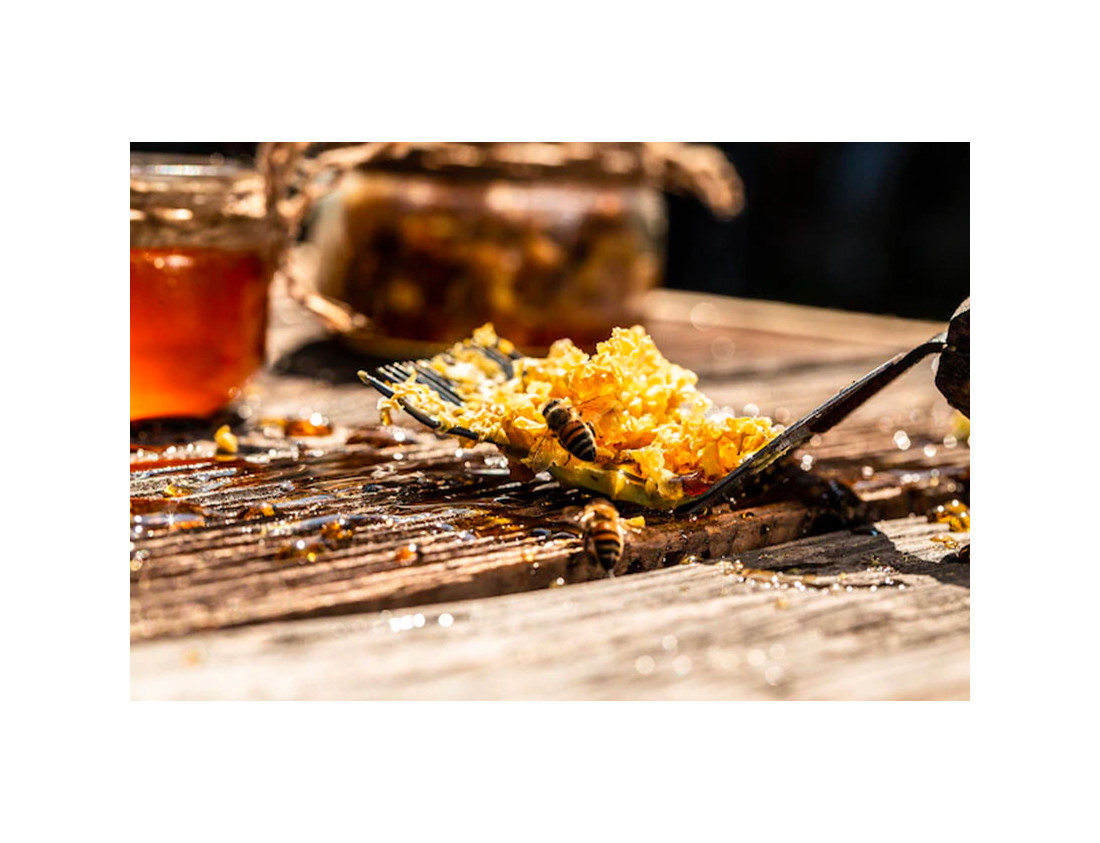
Bees play an essential role in pollinating flowers and producing honey. However, these insects face many challenges, including climate change, pesticide exposure, habitat loss and the spread of disease. In this article, we discuss the importance of bee health to our environment and the various threats to their survival.
The role of bees in the environment
Bees are natural pollinators, contributing to the reproduction of flowering plants. In this way, they help produce fruit, vegetables and many other crops. It is estimated that almost 75% of the world's food crops depend, at least in part, on pollination by these insects. In addition, bees produce honey, a valuable food resource for humans and other wildlife.
Pollination, an essential ecosystem service
By carrying pollen from one flower to another, bees promote fertilization and seed production. This process is essential for maintaining the genetic diversity of plants and ensuring the sustainability of ecosystems. Indeed, flowering plants form the basis of many food chains, and their seeds are a source of food for many animals. Without pollination, ecosystems would suffer major disruption and our supply of fruit and vegetables would be greatly reduced.
Threats to bee health in 2023
Bee mortality has risen alarmingly in recent years. Several factors are responsible for this phenomenon, including :
- Climate change
- Exposure to pesticides
- Habitat loss
- Pathogens and parasites
The effects of climate change
Global warming is leading to changes in plant flowering cycles, and can cause a mismatch between flower emergence and bee activity. In addition, extreme weather conditions such as droughts, floods or storms can reduce the availability of food resources for bees and limit their ability to adapt to these changes.
Pesticide risks
Pesticides, particularly neonicotinoids, are chemical substances used to protect crops against pests. However, they also present risks for bees. Exposure to these products can cause lethal or sublethal effects in insects, such as disorientation, reduced ability to feed and disruption of their immune systems.
Habitat loss
The intensification of agriculture and urbanization are leading to a reduction in natural habitats for bees. The destruction of flower meadows, monoculture and the excessive use of chemical fertilizers reduce the diversity and availability of honey-bearing plants. Bees are then faced with a lack of food resources, which weakens their resistance to parasites and disease.
Pathogens and parasites
Bees are exposed to various pathogens such as viruses, bacteria and fungi. Among the most common parasites is varroa destructor, a mite that feeds on bee blood and transmits pathogens. These infections can lead to wing deformities, reproductive problems and reduced bee longevity.
How can we keep bees healthy?
To protect bees and preserve their essential ecological role, it is necessary to implement measures aimed at :
- Reduce the use of pesticides and favor ecological alternatives
- Maintain and restore natural habitats such as flower meadows and hedgerows
- Encourage crop diversification and organic farming
- Promote research into bees and bee diseases, to better understand resistance and adaptation mechanisms
By adopting these practices, we will help to preserve the health of bees and maintain the ecosystem services they provide. It is crucial to make the general public, farmers and political decision-makers aware of the importance of these insects for our environment and economy.