


Sugar kills!
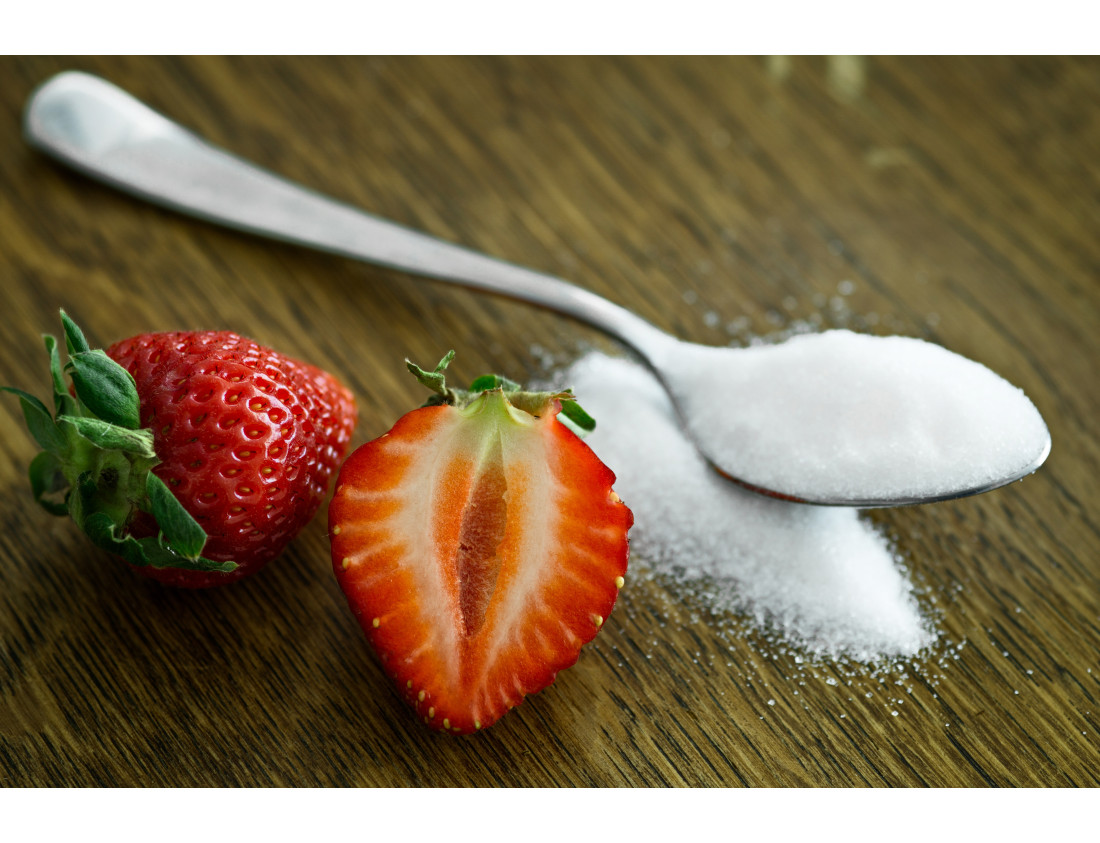
Don't panic, if you put sugar in your coffee in the morning, you won't drop dead within seconds, but it's good to know that sugar is a false friend, even a false brother!
During our childhood, we all heard the admonition: "Don't eat too many sweets, or you'll get cavities!
And yet, quite apart from the dental problems that can result from eating too many sour sweets, obesity, diabetes and cardiovascular disease all come into play as children get older, and this poses a real public health problem.
1) Once upon a time, there was sugar
A large tropical herb, sugar cane originally came from New Guinea, before being exported and discovered by the Indians and Chinese.
Historians reveal that the Chinese learned from the Indians the science of making sugar and extracting it from the cane, which was originally called "sarkara". From time immemorial, honey was the only sweetener used, before sugar cane migrated to South-West Asia, arousing great interest among the peoples who discovered it: it was the "reed that gives honey without the use of bees".
During the reign of Alexander the Great in the 4th century, sugar cane spread to the Middle East, where it became a rare and expensive commodity, along with other spices such as saffron and nutmeg. By the end of the 15th century, shortly after Christopher Columbus's first voyage to America, sugar cane plantations were springing up in the West Indies, then in South America, notably Brazil.
Sugar then became the leading colonial commodity, with ships returning to Europe with products from the colonies, including precious sugar.
Closer to home, at the beginning of the 19th century, in response to the English blockade on sugar from the West Indies, Napoleon ordered the cultivation of sugar beet on French lands, and in 1811 the first profitable sugar beet processing plant appeared in France. It was at the end of the 19th century that sugar became more democratic, following the exploitation of sugar beet.
2) World sugar consumption
Since the last century, global sugar consumption has been rising steadily, not that we've all developed a sugar addiction, but rather that added sugars, often "unwittingly", are being consumed exponentially.
In the past, the main form of added sugar used by industry was sucrose, but new technologies have enabled the development of another form of sugar that has become very popular due to its low cost: glucose-fructose syrup.
3) One hundred grams
One hundred grams is the equivalent of a good slice of meat for a good meal, or a bar of 70% dark chocolate, or the weight of a slice of bread, preferably a traditional baguette, so far so good..
But if we tell you that a third of men between the ages of 18 and 34 consume 100g of sugar a day, as well as around a quarter of children between the ages of 3 and 10 in France, these hundred grams become a source of deep concern.
4) Danger is everywhere
According to a WHO (World Health Organization) study, sugar should represent between 5 and 10% of our daily calorie intake, i.e. between 25 and 50 grams a day.
Unfortunately, the low estimate of daily consumption in France is around 70 grams, which is in the low range as mentioned above... And yet, this consumption does not include all sugars, those that are hidden, those that are added, the natural sugars contained in fruit and vegetables, etc..
By way of example, according to a study published in 201, if food manufacturers were to reduce the quantity of added sugars in soft drinks by 40% across all brands over a five-year period, the number of overweight people would fall by 0.5 million and the number of obese people by 1 million!
5) Added sugars vs. hidden sugars
We've seen that sugar consumption has more than tripled over the last few decades, and now we're going to tackle the subject that's on our minds: is sugar poisonous? As consumers, it's fair to say that we're being taken advantage of by manufacturers who sneak sugar into ready-made meals and industrial products, even though common sense would dictate that we shouldn't!
Let's take a look at a few everyday products:
- We'll start with this product, which contains just 3 1/2 lumps of sugar, but given the weight of the product, it's a bit scary..

- It's astonishing in every way, but there are 4 lumps of sugar in this tin of vegetables

- Vegetable milk, made from hazelnuts and organic to boot, turns into a nightmare... 9 lumps of sugar per liter!

- This bottle, well known to potato lovers, contains 19 lumps of sugar..

- At Ben & Jerry's, we're committed to making the best possible ice cream in the best possible way, with quality ingredients and ultra-tasty recipes. The ingredients in our ice creams, such as sugar, cocoa and vanilla, are fair trade. 100% of Ben & Jerry's products sold in Europe are Fairtrade Max Havelaar and Kosher certified. The eggs used to make Ben & Jerry's ice creams come from free-range hens. The milk and cream contained in Ben & Jerry's ice creams are produced in accordance with the sustainable agriculture program.
This is all very nice, almost making us forget that for every 425 grams, there are 21 lumps of sugar... The ice-cream was almost perfect..

Industrial food is rich in taste, but not in health..
The WHO recommends a drastic reduction in sugar consumption to improve health and reduce the risk of obesity, overweight and tooth decay. This is far from easy, since sugar has been recognized as 8 times more addictive than cocaine! Sugar addiction can lead to weight gain, reduced vitality, chronic fatigue, concentration problems, digestive problems, flatulence, headaches...
Ideally, and here again it's just common sense, you should opt for home-made food, which means getting rid of ready-made meals, sodas, industrial fruit juices and sweets..
6) The effect of sugar on your body
Sugar is bad for your figure, and bad for your heart, but even worse for your brain. We now know, from a number of reliable studies, that sugar causes damage to both cognitive and psychological functions. Most of us consume too much sugar, whether in the form of honey, sugar, glucose, fructose, glucose-fructose, corn syrup or other original names..
Here's some information on the dangers of this over-consumption for our brains. First of all, it drives you crazy, because like any other food, once ingested it activates the taste receptors located on the tongue. These send signals to the brain to activate the reward system and release hormones such as dopamine, but sugar is a "dictator", taking control of this reward system", and this is by no means harmless or innocuous.
"Over-activation leads to a whole series of harmful reactions: we are taken over by irrepressible cravings, for example, and become less sensitive to the over-consumption of sugar", explains neuroscientist Nicole Avena. By way of example, the brains of obese children react differently to sweetness, which throughout their lives means they regularly feel strong cravings for sugar, which is a calamity for them as well as their loved ones.
In 2012, a study conducted on rats at the University of California in Los Angeles concluded that a diet rich in fructose literally slowed down the brain, resulting in impaired acquisition and memorization. The synapses of rats that had consumed too much fructose were damaged, and communication between brain cells was impaired.
The rats also developed insulin resistance. This hormone, which regulates blood glucose levels and brain cell function, also strengthens synaptic connections, enabling cells to communicate and store information more effectively, so that over-consumption of sugar leads to a deterioration in cognitive function due to reduced insulin production.
"Insulin plays an important role in regulating blood sugar levels, but it may have the opposite effect on the brain. Our study indicates that a diet high in fructose has a negative impact not only on the body, but also on the brain. This has never been established before," says study director Dr Fernando Pinilla.
When you're hypoglycemic, you may experience fatigue, mood swings and irritability, all of which are caused by sudden variations in blood sugar levels. In fact, when you ingest something very sweet, blood sugar levels rise sharply, then fall just as sharply, leading to depression, bad moods and aggression.
A study carried out on young rats established a link between over-consumption of sugar and depressive and anxious behavior.
Finally, and this is a serious matter, as the consequences are far-reaching, more and more studies are suggesting that an excessively sweet diet is a factor conducive to the onset of Alzheimer's disease. Studies show that insulin resistance and hyperglycemia (characteristic of diabetes) increase the risk of developing neurodegenerative diseases such as Alzheimer's, which proves that hyperglycemia also affects the brain.
Some scientists even go so far as to dub Alzheimer's "type 3 diabetes″, yet another sign that diet plays a role in the development of this disease.
7) How can we detoxify from sugar, and what can we replace it with?
Quite simply, even if it's easier said than done, we need to banish all food processed by industrialists, and give preference to homemade food.
So ready-made meals, sandwich bread, soft drinks, frozen meals and 2-minute pizzas will be replaced by homemade dishes, industrial fruit juices by those squeezed by a slow-rotation centrifuge, and wholemeal bread or traditional baguettes will make their appearance. Once the housework is done, you'll need to keep your cool, as the absence of sweet foods will leave you bitter, and you'll need time to adapt, just long enough for your body to wean itself off them.
Finally, as a reminder to our taste buds that sugar is far from compulsory for indulging in tasty treats, let's take a look at some interesting alternatives to this sweet poison. Ideally, we're going to replace sugar with what it has replaced: honey! Known and recognized since ancient times, honey is one of the first ingredients to have sweetened certain recipes.
Of natural origin, good for the health (in moderation), with a sweetening power and taste superior to those of sugar, it is produced by bees from the nectar of flowers. Composed of glucose and fructose, it is rich in carbohydrates, vitamins, minerals and amino acids, which, combined with its sweetening power, makes it an ideal food. What's more, its carbohydrates take the body a long time to assimilate, which reduces cravings and weight gain..
Agave syrup is a natural sweetener made from the sap of the agave plant, a cactus native to Mexico. Its sweetening power is 3 times greater than that of sugar, and its glycemic index is very low - what more could you ask for!
Very useful for diabetics or people prone to cholesterol, agave syrup is a good compromise.
We don't often think about it, but maple syrup, a natural sweetener produced from the sap of certain maple trees, has almost twice the sweetening power of sugar, a lower glycemic index and very few calories. Its fragrance and flavor may not be to everyone's taste, but it remains an interesting alternative for sweetening yoghurts, cakes or pancakes!
For purists, you can use natural flavourings, which can add flavour and sweeten your recipes without using any, a placebo effect of sorts sorte.Sous Whether in pod, zest or liquid form, they all have a naturally sweet flavour that will enhance all your culinary preparations.
Finally, you can also use rapadura, which is the juice of dehydrated sugar cane that has undergone no processing or refining. It is excellent for your health, as is muscovado or mascobado, which is a brown sugar, also unrefined.
They contain potassium, magnesium, calcium, vitamins B3, B6, B5 and B9, and are an excellent substitute for white sugar.
Conclusion
Like Big Brother in 1984, sugar is everywhere, and we've become accustomed to eating too much sugar from an early age, which augurs a health catastrophe if nothing is done, each at his or her own level. It would be naïve to expect manufacturers to help us get out of this vicious circle, since sugar is cheap, easy to use and generates substantial revenues, so the expression "to sweeten oneself" takes on its full meaning..
By 2050, obesity will be the norm in the USA, but don't worry, the lobbies are watching over you! Like the tobacco industry, not all truths are good ones to tell, especially when it comes to juicy profits... The solution is simple: we need to move on from junkfood, or fakefood, to realfood, back to basics, to simple things... We'll take MacDonald's fries as an example, to illustrate the drift of part of the agri-food industry..
Below is an image taken from the website of Macdonald's, a world-famous brand. Let's take a look at the ingredients of the fries served in these restaurants:

Yes, you've seen it all, a whole host of ingredients, including a well-known one, dextrose! Dextrose, which is the clever name for "glucose syrup", means that your children's beloved fries contain added sugar, so we'll dispense with comments... We'll finish simply by saying that if we want things to change, everyone needs to significantly reduce the amount of sugar in their diet - your health will thank you for it, and your loved ones will enjoy you for as long as possible, as much as possible.