


The benefits of honey to relieve tendonitis
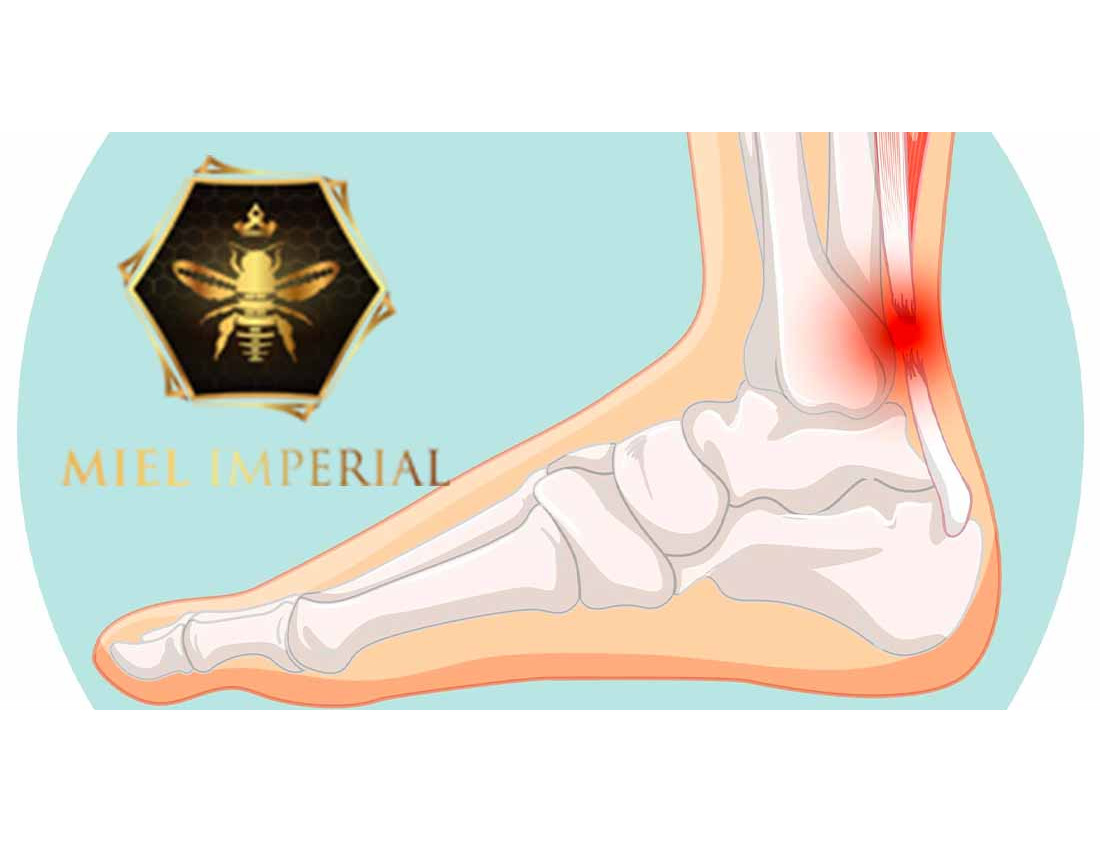
In our daily lives, we put constant strain on our joints and tendons. As a result, it's not uncommon to suffer from tendonitis, which can be particularly painful and disabling. However, there are natural remedies to soothe these inflammations, such as honey. On today's agenda, we'll explore the beneficial properties of honey when it comes to tendonitis and how to use it for effective treatment.
What is tendonitis?
Tendonitis is the inflammation of a tendon, the fibers that connect muscles to bones and enable joint mobility. This inflammation can be caused by various factors, such as excessive repetition of a movement, over-exertion or poor posture. Common symptoms include
- Pain in the affected joint
- Reduced mobility
- Swelling and redness around the tendon
Prompt treatment of tendonitis is essential to avoid more serious complications, such as tendon rupture or the development of pathological calcifications.
Why choose honey as a remedy for tendonitis?
Honey is a natural product derived from the nectar of flowers, harvested by bees. Since ancient times, it has been used for its many therapeutic virtues. Here are just a few reasons why honey can be an invaluable ally in the fight against tendonitis:
Anti-inflammatory properties
Honey contains components with anti-inflammatory effects, such as polyphenols and certain proteins. It can therefore help reduce tendon inflammation and promote healing.
Antibacterial and antioxidant action
Tendonitis can sometimes be associated with bacterial infection. Honey has natural antibacterial properties, thanks to its content of enzymes such as invertase and glucose oxidase. It also contains numerous antioxidants that neutralize the free radicals responsible for inflammation, thus protecting tendon cells.
An analgesic effect
Finally, honey also has analgesic properties: it can help relieve pain caused by tendonitis. This effect is due to the flavonoids it contains, which have a pain-relieving action.
How can honey be used to treat tendonitis?
There are many ways to incorporate honey into your tendonitis treatment. Here are a few methods you can try:
Direct application to the affected area
To benefit from its anti-inflammatory and analgesic properties, you can apply honey directly to the skin around the painful tendon. To do this, coat the affected area generously with honey, then cover it with a bandage or gauze to prevent the honey dripping. Leave on for at least 30 minutes before rinsing off with lukewarm water.
Oral consumption of honey
In addition to topical application, consuming honey on a daily basis can also help reduce inflammation and promote tendonitis healing. You can, for example, add a tablespoon of honey to your tea, yoghurt or simply take it on its own.
Mix with other ingredients with anti-inflammatory properties
To boost the beneficial effects of honey, you can combine it with other natural ingredients with anti-inflammatory properties. For example
- Turmeric: this spice is renowned for its powerful anti-inflammatory effects. Mix a teaspoon of turmeric with a tablespoon of honey and apply to the painful area.
- Arnica essential oil: renowned for its soothing properties, arnica can be mixed with honey before applying to the skin. Add a few drops of arnica essential oil to a tablespoon of honey and gently massage the affected area.
Precautions for use and contraindications
Honey is generally harmless, but certain precautions should be taken:
- Check that you are not allergic to honey before using it topically or orally.
- Diabetics should moderate their consumption of honey, as it contains natural sugars that can influence blood sugar levels.
- Never give honey to children under one year of age, due to the risk of infant botulism.
In conclusion, honey can be an interesting natural remedy for relieving tendonitis, thanks to its anti-inflammatory, antibacterial and analgesic properties. Don't hesitate to experiment with different methods of use, and combine honey with other beneficial ingredients to reinforce its action.
In Same Category
- Moroccan Breakfast: Everything You Need to Know About the Authentic Beldi Breakfast
- Comment bien choisir son fournisseur de miel premium pour revente ou boutique
- E-commerce trends for beekeeping products in 2026: what to sell and how to stand out
- Le rôle des abeilles dans les régions du Yémen, de Russie et du Kirghizistan : défis et protections
- Miel en infusion : comment l’associer à des plantes pour un bien-être optimal