

Solitary bees and other pollinators: unsung heroes of biodiversity
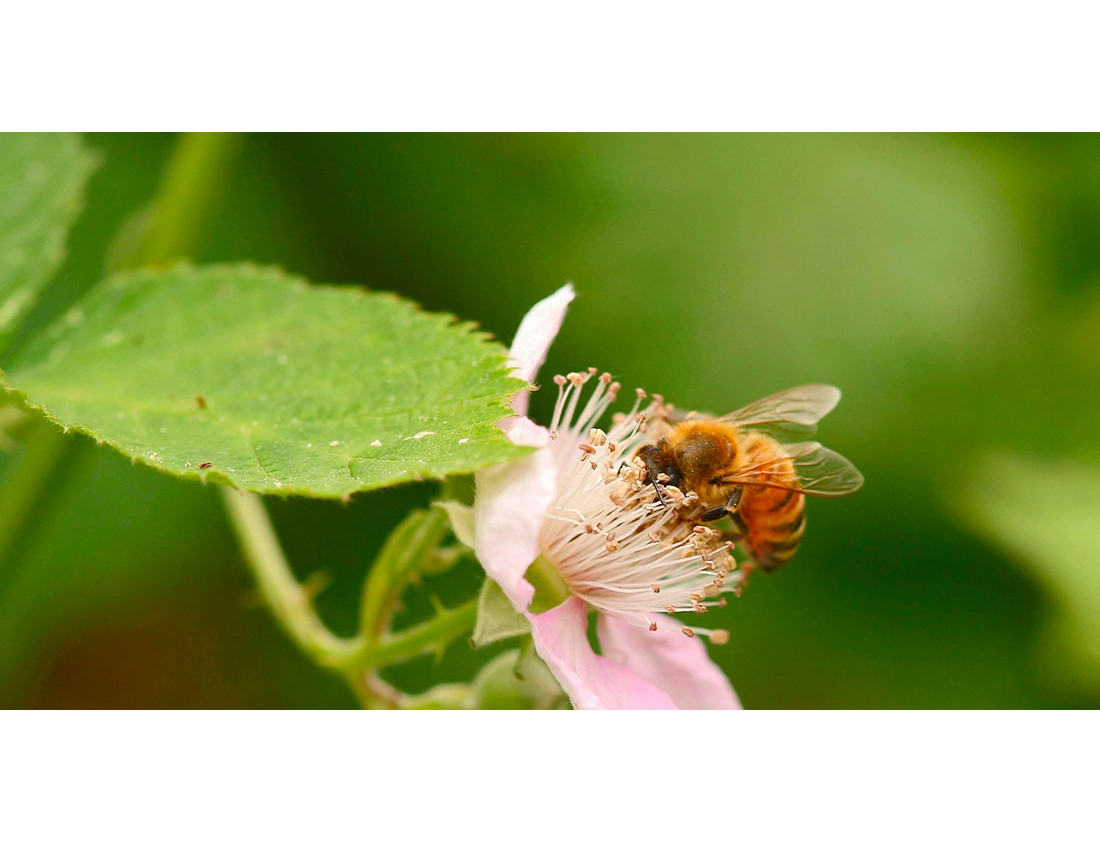
When we think of pollinators, the first images that come to mind are often those of honeybees, so important to our agriculture. But did you know that there are also many species of solitary bees and other pollinating insects, just as essential to our environment? In this article, we invite you to discover these unsung heroes of biodiversity.
Solitary bees: a wide variety of species
Unlike honey bees, which live in colonies organized around a queen, solitary bees lead a... solitary life! Each female builds her own nest and raises her offspring alone. There are no fewer than 20,000 species of solitary bee worldwide, including almost 1,000 in France. Among the best-known are
- the mason bee (Osmia spp.)
- cotton bee (Anthidium manicatum)
- carpenter bee (Xylocopa spp.)
These species come in a wide variety of sizes, shapes and colors. Some are even specialized in the pollination of certain plants: for example, the ivy bee (Colletes hederae), which feeds exclusively on ivy nectar and pollen.
The crucial role of solitary bees in pollination
Solitary bees play an essential role in the pollination of flowering plants. In fact, they are often more efficient than their domestic cousins at transporting pollen from one flower to another. There are several reasons for this:
- they visit a greater number of flowers
- they prefer wild flowers to crops
- they are less sensitive to the pesticides and other chemicals used in agriculture
Although less well known to the general public, solitary bees play an active role in the reproduction of many plant species, contributing to biodiversity and ecosystem resilience.
Other pollinating insects not to be forgotten
Solitary bees are not the only pollinating insects to be found in our gardens and countryside. Other important pollinators include :
- bumblebees (Bombus spp.)
- butterflies (Lepidoptera spp.)
- flies (Syrphidae and Bombyliidae)
- beetles (Coleoptera spp.)
These insects have different behaviors and nectar preferences, enabling them to pollinate a wide range of plant species. Their presence is therefore essential for maintaining the diversity of flowering plants and ensuring the sustainability of ecosystems.
Threats to pollinator populations
Unfortunately, populations of pollinating insects are declining in many parts of the world. There are many reasons for this situation:
- the destruction and fragmentation of natural habitats
- intensive use of pesticides and other chemicals in agriculture
- diseases and parasites affecting certain bee species
- climate change and pollution
This decline in pollinator populations has harmful consequences for our environment and food resources. Nearly 85% of flowering plants depend on pollination by animals, mainly insects, to reproduce. Without these precious helpers, our landscape and our food supply would be very different!
How can we help pollinators thrive?
Fortunately, everyone can contribute to the preservation of solitary bees and other pollinating insects. Here are a few simple things you can do:
- plant wild flowers and melliferous plants in your garden or on your balcony
- limit the use of pesticides and opt for biological pest control methods
- install shelters for solitary bees, such as insect hotels or woodpiles
- participate in participatory science programs, such as the Suivi Photographique des Insectes Pollinisateurs (SPIPOLL) in France, to help researchers gain a better understanding of pollinating insect populations.
By adopting these few measures, you'll be providing a favorable environment for pollinating insects and helping to preserve our biodiversity. Let's not forget that these little creatures are essential to our planet, and we all have a role to play in protecting them!