


Best treatment for Varroa mites
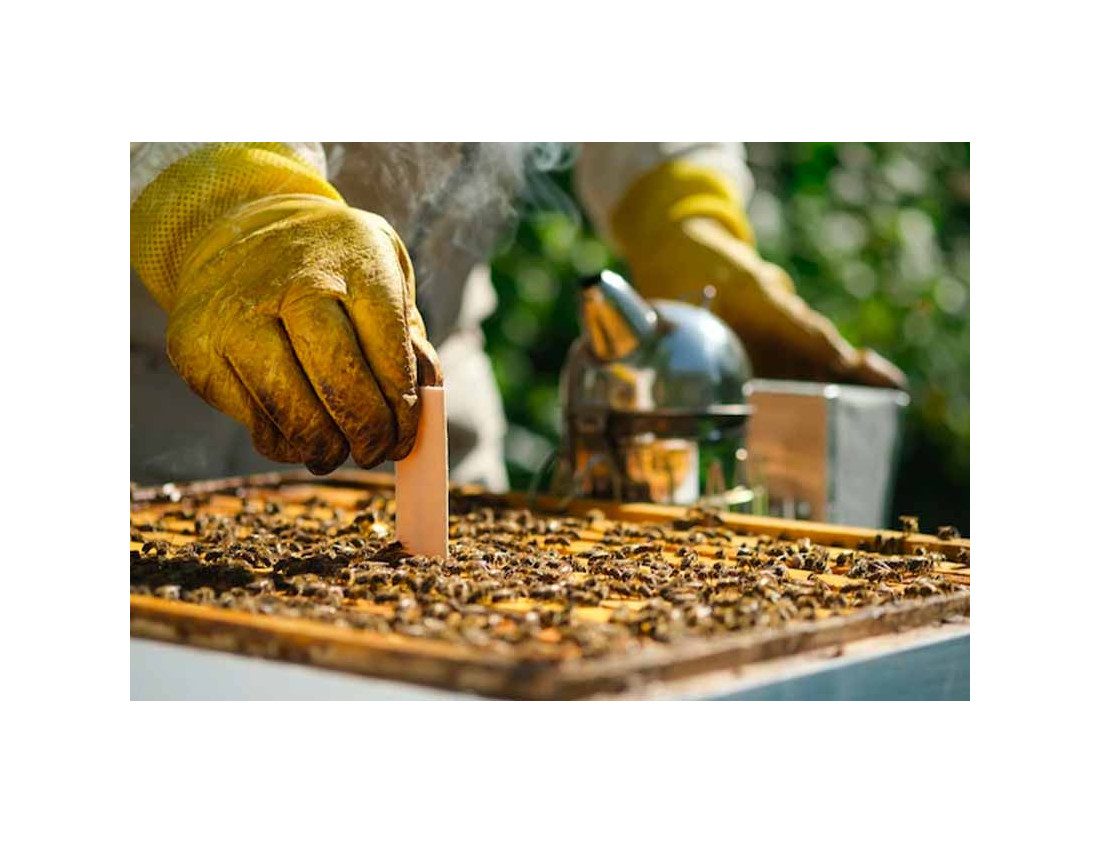
The varroa mite is a parasite that attacks bees and can cause serious damage to your apiary. Good varroa management is essential to ensure bee health and honey production. There are several treatments available, but how do you know which one is best? In this article, we'll look at the different options and discuss the pros and cons of each treatment.
What is Varroa?
Varroa destructor, also known as varroasis, is a species of louse that feeds on the blood of adult bees and larvae. Varroa mites cause problems such as weight loss, respiratory disorders and increased mortality. Varroa is responsible for the destruction of millions of bee colonies every year, and it's important to treat it quickly and effectively.
Common treatments for Varroa
There are several chemical products that can be used to combat the Varroa mite. The main treatments are oxalic acid, amitraz, tau-fluvalinate, flumethrin and thymol. Each of these products has its own advantages and disadvantages.
Oxalic acid
Oxalic acid is one of the most commonly used treatments against varroa mites. It's easy to apply and offers protection against short-term infestations. However, it tends not to be very effective against long-term infestations, and is relatively ineffective against some treatment-resistant strains of Varroa mites.
Amitraz
Amitraz is an organophosphate insecticide recently approved by the European Union and many other jurisdictions for varroa control. It is highly effective against both short- and long-term infestations and resistant varroa populations. However, it is toxic to bees if incorrectly applied, and must be handled with care.
Tau-fluvalinate
Tau-fluvalinate is a natural insecticide that is commonly used to control varroa mites. It is fairly effective against short-term infestations and resistant varroa populations. However, it is less effective than amitraz against long-term infestations and can also be toxic to bees if incorrectly applied.
Flumethrin
Flumethrin is a synthetic chemical that is highly effective against varroa mites. It is capable of killing up to 99% of Varroa mites in a bee colony in just a few days. However, it is highly toxic to bees and should therefore be used with caution and according to the manufacturer's instructions.
Thymol
Thymol is a natural product commonly used as a treatment against varroa mites. It is non-toxic to bees and highly effective against both short- and long-term infestations. However, thymol is not as effective as some other chemicals, particularly against resistant Varroa mites.
How to choose the best Varroa treatment?
Choosing the best treatment for Varroa mites will largely depend on your particular situation. If you have a short-term infestation and are not looking to prevent future infestations, then oxalic acid or thymol may be appropriate solutions. If you are looking for long-term protection against future infestations, then flumethrin or amitraz will be more suitable.
It's also important to consider the potential risk to bees. Most chemicals are highly toxic to bees and must therefore be handled with care and in accordance with the manufacturer's instructions. Thymol is one of the few products with low toxicity for bees, making it ideal for beekeepers who want a safe option for their bees.
There are several treatments for varroa mites, each with its own advantages and disadvantages. Oxalic acid and thymol are good for short-term infestations and are relatively non-toxic to bees. Flumethrin and amitraz are very effective against long-term infestations and resistant Varroa mites, but are highly toxic to bees. To find the most appropriate treatment for your situation, it's important to weigh up these different factors and consult a qualified professional.