


What you need to know about the wasp trap
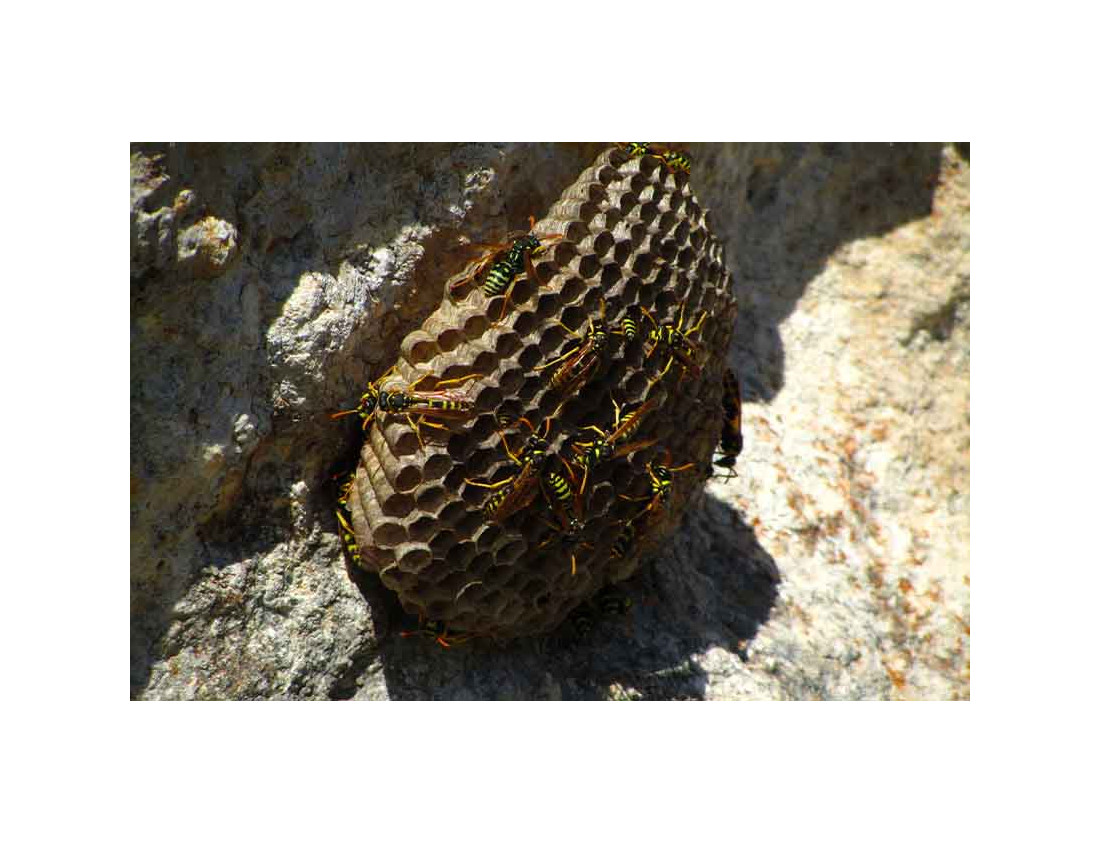
Wasps are insects that can quickly become invasive and a nuisance if not quickly removed. They build nests in the ground, or hang from trees, walls or exterior facades. The use of a wasp trap can be very useful in getting rid of them.
What are the different types of trap?
There are many different types of wasp trap:
- Light traps: these are generally fitted with a powerful ultraviolet lamp and a metal grid to capture wasps attracted by the light.
- The glue trap: this type of trap is made of a sticky substance that holds the wasps close to the attachment point. Ideal for capturing flying wasps and preventing colonies before they form.
- Bacteria: these are granules containing specific bacteria that are toxic to wasps. The insects tend to bring them back to the nest and eat them, with lethal effects for the colony.
Key questions to consider when buying a trap
To buy the right wasp trap for your situation, here are a few questions to consider:
- What type of wasp trap is best for you?
- What size wasp trap do you prefer?
- Do you need a trap to capture flying wasps or wasps that have settled on your property?
- What budget do you have for your wasp trap?
- What do you want to do with your wasp trap?
Once you've answered these questions, you'll be able to choose a wasp trap that suits your needs and budget.
How do I install a wasp trap?
Once you've found the right wasp trap for your situation, you can move on to installing the device. Here's how:
- Find the best place to place the wasp trap. If it's a light trap, make sure there's enough light to attract the wasps; if it's a glue trap, opt for a cool, shady spot.
- Set up the wasp trap according to the instructions. Place it away from areas frequented by humans, such as terraces or other public places.
- Keep the trap clean and dry. Clean it regularly and change the attractants if they are empty or worn.
- Check the trap periodically and remove any wasps caught. If possible, transport them away from homes and public places before releasing them.
If you follow these steps carefully, you should see a significant improvement in the wasp colony in your garden.
When to call in a professional?
Although setting up a wasp trap is an effective way of getting rid of colonies, it's limited and can't always be effective. In some cases, professional intervention is necessary:
- When the number of wasps and nests is too great.
- When wasps have settled in hard-to-reach places.
- When the risk is too great (e.g. in the presence of children or animals)
- When chemicals need to be applied.
If you suspect that such a case may apply to you, don't hesitate to contact a professional for help.
Wasp traps are effective tools for tackling insect colonies. However, it's important to choose the right model for your situation, and to follow good installation practices. Finally, if the problem persists, it may be worth seeking professional help to resolve it more effectively.