


The benefits of jujube
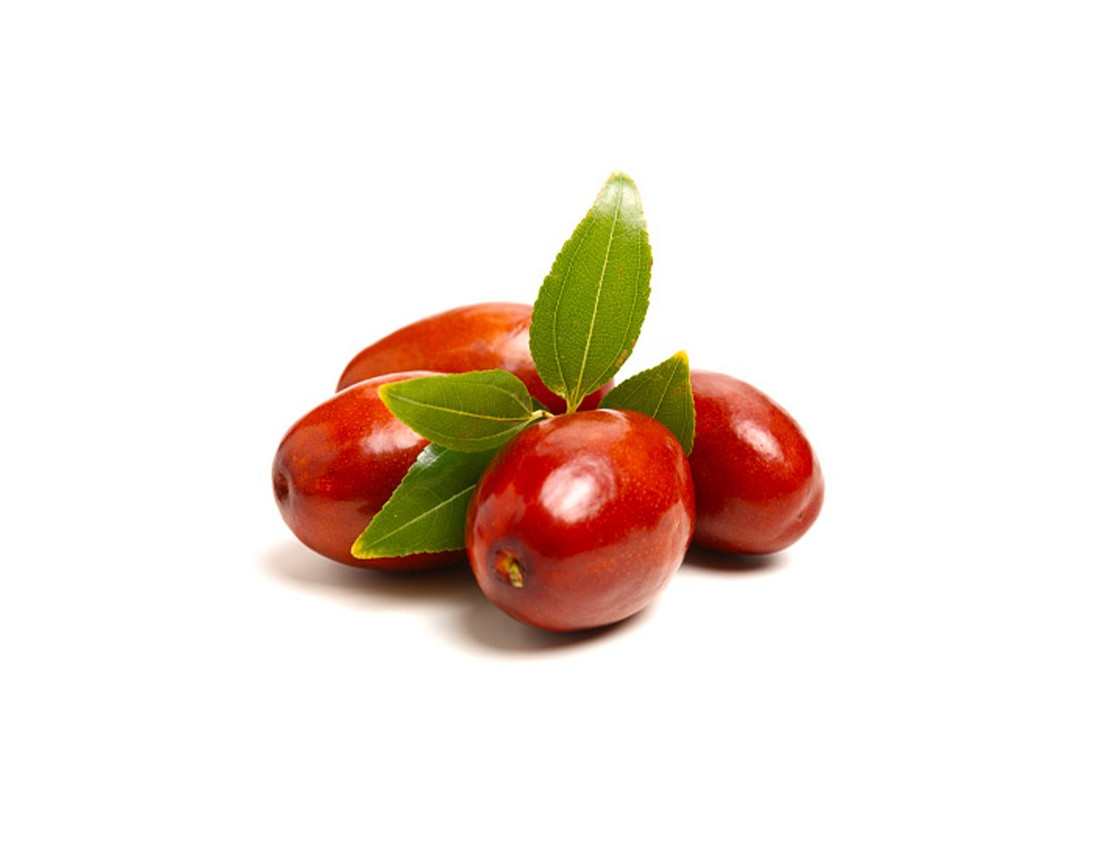
Jujube is known as the fruit of the jujube tree. This tree, originally from China, is widespread in North Africa and the South of France. This fruit can be found in some markets in the Gard department in autumn. Admittedly, it's not as widely available as the apple. However, locals living near the garrigues enjoy tasting jujube jam. Before ripening, this fruit resembles a small green apple, 3 centimetres in diameter. Then, it tends to metamorphose and turn brown. Its slightly crinkled skin gives the impression of a burgundy date. In fruit parlance, jujube is known as the "Chinese date".
What does jujube fruit taste like?
You've all heard of Sidr honey. But what about the little date the tree produces in autumn? Preciously hidden in jars by connoisseurs who go out to pick it, jujube is difficult to access. Nevertheless, in the wild, it's not uncommon in Kabylia for children to eat them on their way to school. Yet this age-old fruit has been widely consumed in the East and Far East for centuries. In fact, from a curative and dietary point of view, people are more interested in the products of the beehive than in the fruit itself.
Yet jujube is a very interesting fruit. It can be eaten raw. Although the dried fruit is even more exquisite. In this way, jujube has a sweet taste that is commonly associated with dates. It also has its typical floury texture.
A rare fruit to find, despite its nutritional value
Today, jujube has become a staple of delicatessens and organic grocery stores. A pity, when you consider that it's possible to find it in the wild in the Languedoc hinterland. A stroll through the garrigue is all it takes. And yet, the consumer is uninterested because of a lack of knowledge. On the other hand, it's not difficult to demonstrate its virtues to a public that's already won over by the benefits of dried fruit. After all, jujube is an extraordinary concentrate of the following minerals and trace elements:
- Vitamin C
- Fiber
- Calcium
- Phosphorus
- Zinc.
Jujube is a complete fruit. Eaten during the harvesting period, it meets basic nutritional needs. So why go without when you know it's good for your health? Escape to the garrigue to help yourself, free of charge.
Jujube: an effective fruit for intestinal transit
Jujube is an inherently high-fiber fruit. Consumers should not overlook this fact. Fiber is often overlooked in the heart of fruit. This is particularly true at breakfast, when we prefer to squeeze a juice instead of eating an orange dessert. Yet the whole fruit retains all its fiber. Like dates, jujube's fibrous texture aids digestion. It even makes you feel light and well. So it's a dry fruit to be recommended right from breakfast. You'll prefer it alongside a diet menu. In fact, it's a good idea to alternate. Eat a date one day, a jujube or dried apricot the next.
Dried jujube fruit is also a carbohydrate concentrate that provides a quick boost of energy. All from 100% natural sugar.
A convincing moisturizing function
Jujube is also an interesting fruit thanks to its water content. So, if you're distracted and don't drink much, it makes this need easier. It is particularly useful for people prone to diarrhoea or whose intestinal flora is disturbed. Playing a regulatory role at the heart of the digestive tract, it helps relieve these ailments.
Last but not least, its moisturizing properties make it one of the richest noble foods for beautifying the skin.
Jujube fruit is rich in antioxidants
Another function that gives virtue to this exceptional fruit. Antioxidants are very good for your health from several points of view. Firstly, they help preserve the immune system. In fact, their action directly combats free radicals. These are particularly responsible for the natural aging of the skin. It's the same substance present in honey that is found at the heart of jujubes. A beneficial effect on health and well-being.
A positive effect on anxiety and depression
Jujube's fruity, soothing taste also makes it special. It influences sedative functions. Pleasurable foods are also very useful in the psychological field. They help to relax the mind and make it easier to fall asleep. This is one of the characteristics of jujube fruit. Finally, jujube is also recommended for keeping fit and fighting fatigue in the morning.
An excellent opportunity to work up an appetite
The sweetness of jujube is very good for people who find it hard to work up an appetite. In fact, it is sometimes advisable to start a meal with a piece of fruit to whet the appetite. This may be the case in summer with melon and watermelon, which make the meal more enjoyable. Dates and jujubes have exactly the same effect, stimulating hunger in a reasoned way. Think of them in situations where you find it hard to eat. A small piece of dried fruit triggers the craving thanks to its light carbohydrate content. Then it's up to you to move on to the main course.
Jujube is naturally good against diabetes
Jujube cannot be eaten in excess. At most, one or two fruits in a single day. In fact, it's this moderate consumption that helps stabilize blood sugar levels. Of course, to be effective, other sweet substances must be disregarded. Jujube's role is to keep sugar levels in check by freeing itself from other foods.
In Same Category
- Moroccan Breakfast: Everything You Need to Know About the Authentic Beldi Breakfast
- Comment bien choisir son fournisseur de miel premium pour revente ou boutique
- E-commerce trends for beekeeping products in 2026: what to sell and how to stand out
- Le rôle des abeilles dans les régions du Yémen, de Russie et du Kirghizistan : défis et protections
- Miel en infusion : comment l’associer à des plantes pour un bien-être optimal