


Month-by-month beekeeping calendar
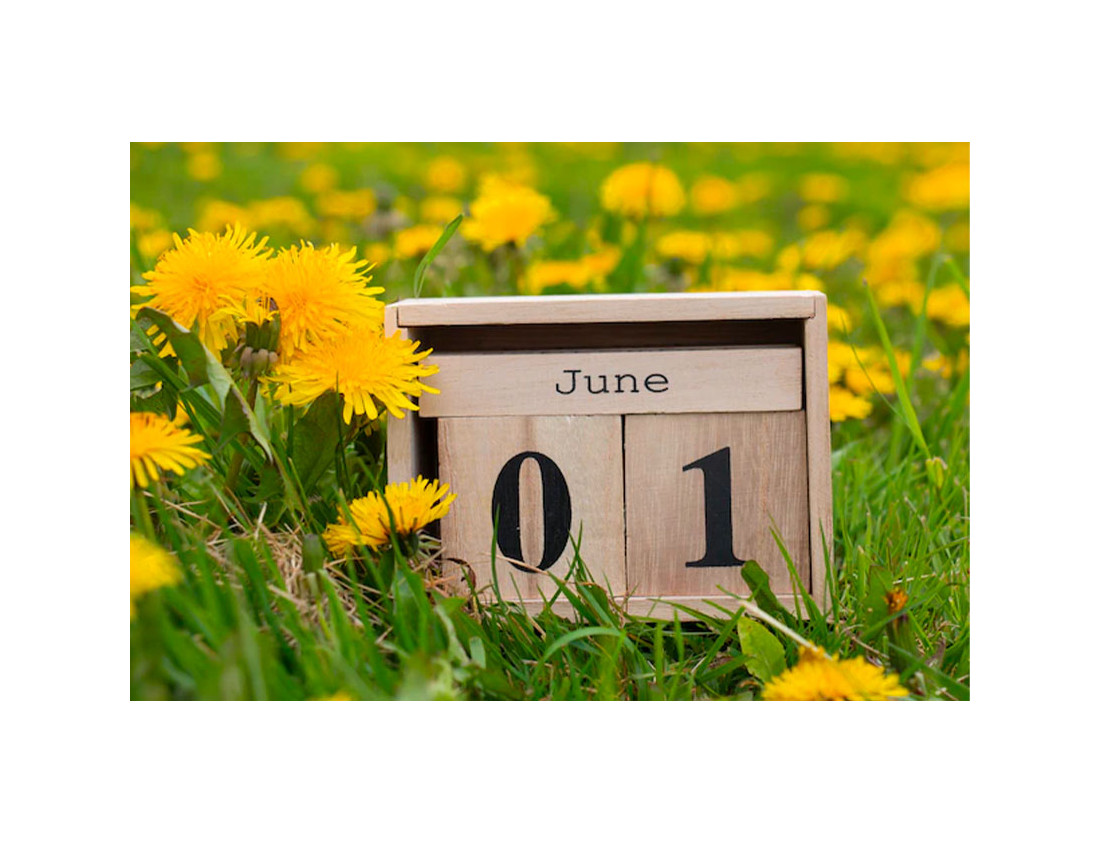
Beekeeping is an exciting profession that requires know-how, patience and good organization. To succeed in this activity, it is essential to be familiar with the different stages of the bee development cycle and to follow the beekeeping calendar. This tool enables beekeepers to plan their work efficiently throughout the year. This takes into account flowering periods and the specific needs of bee colonies.
The main stages of the bee development cycle with the beekeeping calendar
To fully understand the usefulness of the beekeeping calendar, it's important to know the main stages of the bee development cycle. This cycle consists of four phases:
- The rearing phase: during this period, the queen lays eggs that will give birth to new bees. Breeding generally intensifies from March to the end of June, when climatic conditions are favorable and food resources are abundant.
- The foraging phase: worker bees leave the hive to collect nectar and pollen from surrounding flowers. This phase is highly dependent on weather conditions and flowering plants. It can start as early as February and continue until the end of October, depending on the region.
- The storage phase: the bees store the nectar and pollen they have collected in the hive's cells. The nectar is then transformed into honey, which serves as food for the colony throughout the winter.
- The winter rest phase: during this period, the bee colony concentrates on survival. Consumption of previously accumulated honey reserves. Foraging and rearing activities are considerably reduced or non-existent.
The month-by-month beekeeping calendar: an essential tool for planning your work
The beekeeping calendar enables beekeepers to anticipate the different stages in the bees' development cycle and organize their work according to the specific needs of the colony. Here are the main tasks to be carried out throughout the year:
January and February
At the beginning of the year, the beekeeper must ensure that the colonies have sufficient honey reserves to see them through the winter. He can also take advantage of this quiet period to clean and disinfect empty hives. Prepare the equipment needed for the coming season, and attend training courses to improve your beekeeping skills.
March and April
In spring, it's time to take the hives out of their wintering shelters and place them in the sun to stimulate the resumption of activity. The beekeeper must also check for the presence of the queen and make sure that rearing has begun. Finally, honey supers must be set up to receive the honey produced during the season.
May and June
This is when the bees are most active. The beekeeper must regularly monitor the hives to avoid the risk of swarming, which corresponds to the natural division of the colony. It is also necessary to monitor honey production and ensure that the supers are not overfilled.
July and August
In summer, flowering is scarce and food resources diminish. The beekeeper must therefore keep a close eye on the condition of the colonies, and be ready to intervene if necessary (feeding, treatment against parasites, etc.). This is also the time to harvest honey and store it in optimal conditions.
September and October
In autumn, the beekeeper must prepare his colonies for winter by ensuring that they have sufficient honey reserves. Hives must be insulated and protected from wind, humidity and predators. Visits are less frequent, but just as important, to check on the general condition of the bees.
November and December
At the end of the year, the beekeeper can take advantage of the bees' winter rest to take stock of the past season. Then plan the actions to be taken in the coming months. It's also the ideal time for training, sharing experiences with other beekeepers and keeping abreast of new developments in beekeeping.
The beekeeping calendar is an invaluable tool to help beekeepers manage their business efficiently throughout the year. It takes into account the key stages in the bees' development cycle and flowering periods. It allows you to plan your tasks and anticipate the specific needs of your colonies. The judicious use of the beekeeping calendar is therefore essential to guarantee the health of the bees and ensure optimum honey production.
In Same Category
- Moroccan Breakfast: Everything You Need to Know About the Authentic Beldi Breakfast
- Comment bien choisir son fournisseur de miel premium pour revente ou boutique
- E-commerce trends for beekeeping products in 2026: what to sell and how to stand out
- Le rôle des abeilles dans les régions du Yémen, de Russie et du Kirghizistan : défis et protections
- Miel en infusion : comment l’associer à des plantes pour un bien-être optimal