


Honey plants: what we think in 2023
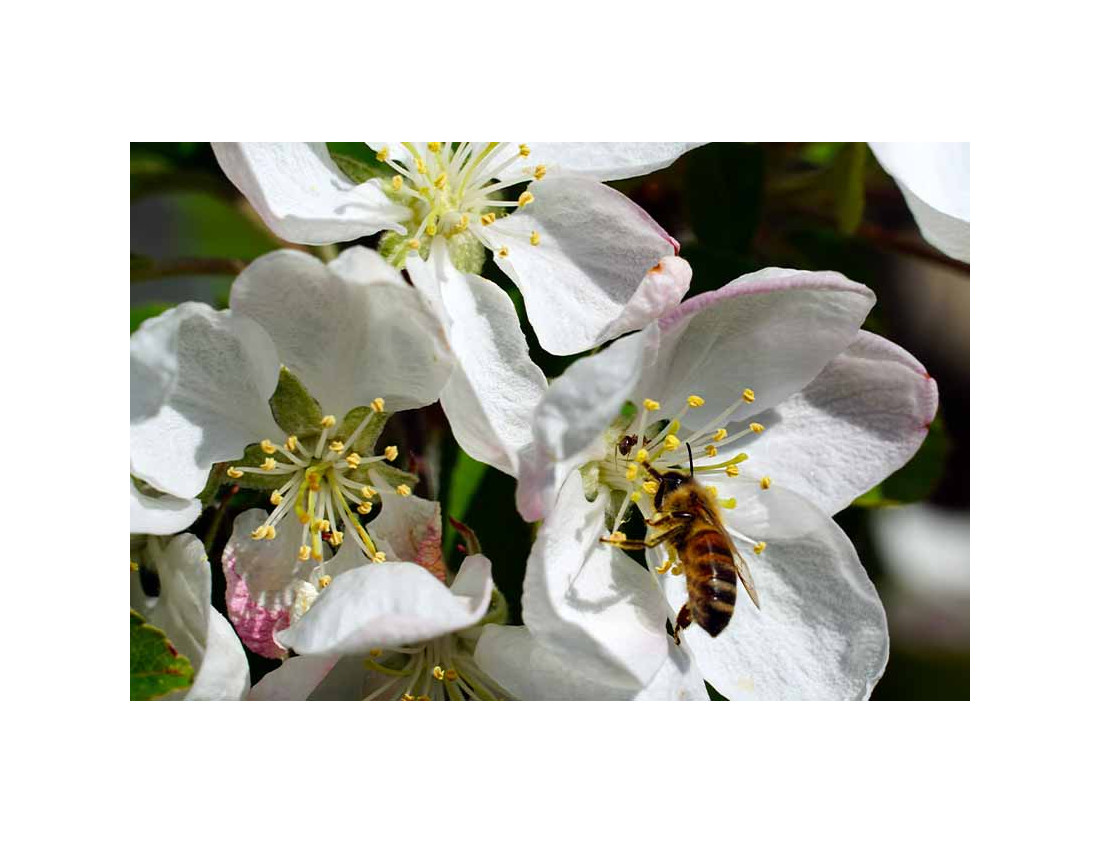
Melliferous plants are, by destination, the favorite delight of our bee friends. Harvesting their pollen and nectar is essential to protect the hives. Secondly, to produce our flagship product. As a boutique specializing in the sale of honey, we know that pollination is essential to safeguard production.
Today, however, drought and climatic phenomena are jeopardizing beekeeping. Fortunately, some regions of the world are surviving well, thanks to a greater diversity of flora and less urbanization. Often nestled on mountain slopes, these areas still offer abundant honey production. It's the plants that grow there that make it possible to produce high-quality monofloral honey. Here's an overview of the best of the new season.
Where can you find an abundance of honey plants?
That's a question we can easily answer. In fact, you'll find that some honeys bear the names of the places where they were produced. The list of melliferous plants is abundant at the heart of different ecosystems. Nevertheless, beekeepers will characterize their honeys according to where they were harvested. This is particularly true of the following honeys:
- Mountain
- Fir
- Garrigue
- Flower honey
- Forest.
They use a variety of nectars from different melliferous plants. However, despite the floral diversity with which they have been designed, they all have their own character. The bee collects the pollen it needs to produce honey from a variety of flowers.
Monofloral plants par excellence for producing good honey
The honey plants used to produce monofloral honey are often the same. Monofloral honey is prized for its quality and the virtues derived from the plant. These are both gustatory and therapeutic. They play a positive role in boosting the immune system and preventing certain ailments. Very often, these atypical plants are at the origin of honeys benefiting from well-known certifications such as :
- PDO
- AOC
- Organic label
- Or, in some countries, by ministries of agriculture and forestry.
And let's face it, some honeys offer a prestigious quality thanks to their rare and exceptional flavor. We're thinking here of
- Manouka honey
- Sidr Maliki from Yemen
- Black bee honey from Ouessant.
Acacia: an abundant flower in temperate climates
At the heart of honey plants, the acacia does not go unnoticed. There are many species of this tree, widespread throughout the northern hemisphere. As a result, it's a popular and affordable honey. The flower of the tree determines the consistency of the honey. The plant's virtues include such excellent properties as :
- Pain-relieving and antiseptic effect
- Its sedative function, which soothes the nervous system.
The benefits of this plant are comparable to those of linden honey, with one exception. Linden produces a yellowish-white honey, while acacia produces a slightly amber-orange honey.
Rosemary: the plant of choice for the liver
Honey plants are good for our health. Bees have the gift of satisfying us by gathering excellent flowers. Rosemary is a plant they particularly appreciate. Widespread along the Mediterranean coast, it's easy for beekeepers to find the right places to produce this quality honey. This melliferous plant has many benefits for our well-being. It is beneficial for :
- Stimulating bile production, which in turn facilitates digestion and maintenance of gastric function
- Maintain satisfactory blood sugar levels and insulin production.
A teaspoonful in the morning would not go amiss for diabetics.
Eucalyptus: one of the most wonderful honey plants
Eucalyptus, native to Australia, is known to be a favorite food of koalas. Bees are also fond of these flowers. At the heart of melliferous plants, everyone knows the virtues of eucalyptus. Many respiratory medicines are made from this plant. Eucalyptus honey has exactly the same natural function. It's the honey of choice for flu-like conditions and cold snaps. You'll find that this melliferous, minty-tasting plant is great for soothing that burning sore throat. This plant is so popular that it has taken root all over the world.
Thyme: an abundant shrub in the wild
Thyme is a shrub that grows abundantly in the heart of scrubland. Forming natural barriers in the heart of Mediterranean forests, bees thrive in the heart of melliferous plants. At the heart of honey is its full-bodied taste, much appreciated in cooking. Its antiseptic properties are excellent for fighting microbial infections such as bronchitis. Today, thyme honey is one of the most sought-after sweets. The character of this plant gives it a precious value.
Lavender: a delight for foragers
Among honey plants, bees are particularly fond of those with a strong scent. Lavender is no exception. Indeed, when the sun reaches its zenith and heats up nicely in summer. Our little insects gather in groups to collect the nectar they need so badly. Lavender is renowned for its therapeutic virtues. Its honey is particularly good for relieving rheumatism and for its anti-inflammatory action.
Cacti: flowers so coveted by bees in arid lands
The world of beekeeping is a wonderful one. What's more, we don't always realize just how many benefits it has to offer. We often think of cacti as undesirable trees, shrubs or plants. In fact, they help retain water in desert areas where sea water penetrates. What's more, they flower abundantly in spring. These melliferous plants are highly prized by bees. They are the source of a slightly pungent honey that is said to have unsuspected virtues for human fertility.
In Same Category
- Moroccan Breakfast: Everything You Need to Know About the Authentic Beldi Breakfast
- Comment bien choisir son fournisseur de miel premium pour revente ou boutique
- E-commerce trends for beekeeping products in 2026: what to sell and how to stand out
- Le rôle des abeilles dans les régions du Yémen, de Russie et du Kirghizistan : défis et protections
- Miel en infusion : comment l’associer à des plantes pour un bien-être optimal