

The wasp-bee difference: is it obvious or minimal?
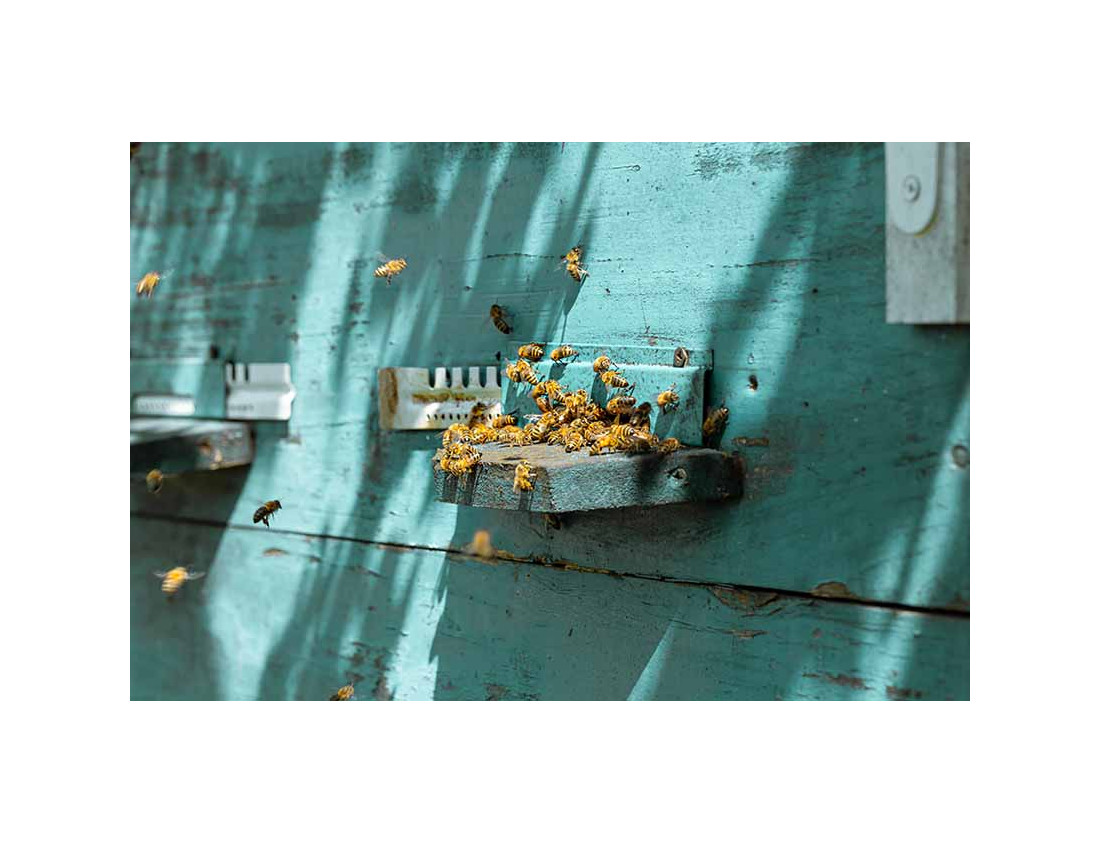
In children's imaginations, the difference between a wasp and a bee is not always clear. The obvious fact is that both insects have a sting that could prove dangerous. But we adults are better able to distinguish between them. Although there are many things we don't know about them, this article is here to shed some light on the subject. Particularly with regard to their physical characteristics and specific behaviors.
Differentiating between wasps and bees with the naked eye: a simple task
Among the similarities between these two living creatures are their color and the presence of a stinger. Yet the physical differences between wasps and bees are glaringly obvious in the insect world. For example, their size is very different. In fact, the wasp is larger in diameter than the bee, with a very smooth abdomen. It's easily recognized by the yellow and black stripes on its body and its larger stinger. The bee, on the other hand, appears much smaller and more compact, with small, visible hairs.
Although both fly through the air or wander through the heart of plants, it's easy to recognize them.
The sting of the two insects: legend or truth?
A well-known difference between wasps and bees concerns insect stings. By nature, we're used to saying that the bee dies after stinging an individual. In fact, stinging a bee literally means affecting its abdomen. As for the wasp, we're used to saying that 7 stings put an end to its existence. Exactly, the same figure as the pot 7 cures.
On the other hand, the wasp's sting on a person is much more painful than that of the bee. It tends to close directly on the skin, causing swelling and sharp pain from the venom. Unpleasant itching follows. On the other hand, bee venom is said to have therapeutic properties for the body. If a sting does occur, it is less intense than that of a wasp. However, the stinger must be removed, and remains localized at the site of the sting.
The wasp and the bee: obvious differences in character
Like the bee, the wasp remains the great black beast of insects. We think of them as invasive, dangerous and predatory. As for the bee, it is de facto the living creature so coveted by beekeepers. The bee that produces the good honey we need so badly. A whole myth surrounds the benefits of the bee that forages and brings us virtuous food. Yet both insects play a strategic role in the ecosystem.
The little hornet: a predator by nature
The difference between the wasp and the bee is a certain degree of aggressiveness. While the bee thrives in the field without paying too much attention to humans, the wasp seems more predatory. Indeed, we're all more or less suspicious of the sight of a wasp's nest than of a bee's swarm. Nevertheless, the wasp can combat many invasive insects such as :
- Flies
- Spiders
- Mosquitoes.
From this point of view, this little hornet regulates the balance between a multitude of insects at the heart of a food chain. Finally, wasps are delicious food for birds. They are an abundant source of protein.
The forager: gentler and just as beneficial for our planet
The difference between wasps and bees is also reflected in the difference in function. The bee is considered gentler because it has little tendency to respond to human attack. The wasp, on the other hand, immediately becomes more aggressive when force is used to drive it away. Although their tasks are different, bees are renowned for pollinating flowers. But above all, they are responsible for the multiplication of plants on earth. This aspect, to which we are receptive, is responsible for the survival of certain plant species. They are the guarantors of a certain diversity at the heart of nature. Nevertheless, without wasps, our lives would also be affected by more insect pests in our daily lives.
Understanding the difference between wasps and bees in the heart of flowers
You've all noticed that the two species are different. They don't belong to the same family. What's more, wasps also fall into several insect categories. However, we note that both insects tend to revolve around plants. Nevertheless, there is a wasp-bee difference even in this area. But their individual actions complement each other, even if their objectives differ.
The bee: the perfect insect in search of precious nectar
At the heart of the world of flowers and plants, we all know the role of the bee. Its main task is to collect nectar from flowers and deposit it in the hive. You all know the rest of the process. However, this action, which takes place during the summer, is no easy matter. The foragers have to explore over a million plants to form just one kilo of honey. It's a high-risk mission, since we mustn't forget that wasps are predators of bees. Their destinies are therefore sometimes linked, for better or for worse.
The wasp eliminates pests from the heart of the plant
The difference between a wasp and a bee can also be seen on flowers. The wasp prefers to wander around hedges and bushes. However, it is also fond of flowers, but not for foraging. If they are present in these places, it's to find food. And in the heart of plants, there are always new sources of protein:
- Ants
- Ladybug
- Whiteflies.
Even so, aphids remain the wasps' favorite snack. And for nature, that's a blessing in disguise. Because aphids are specifically the insects that kill flowers quickly. We just don't realize it. But from this point of view, the wasp also brings its share of good answers to the heart of the garden.
In Same Category
- Moroccan Breakfast: Everything You Need to Know About the Authentic Beldi Breakfast
- Comment bien choisir son fournisseur de miel premium pour revente ou boutique
- E-commerce trends for beekeeping products in 2026: what to sell and how to stand out
- Le rôle des abeilles dans les régions du Yémen, de Russie et du Kirghizistan : défis et protections
- Miel en infusion : comment l’associer à des plantes pour un bien-être optimal