


The benefits of Manuka honey
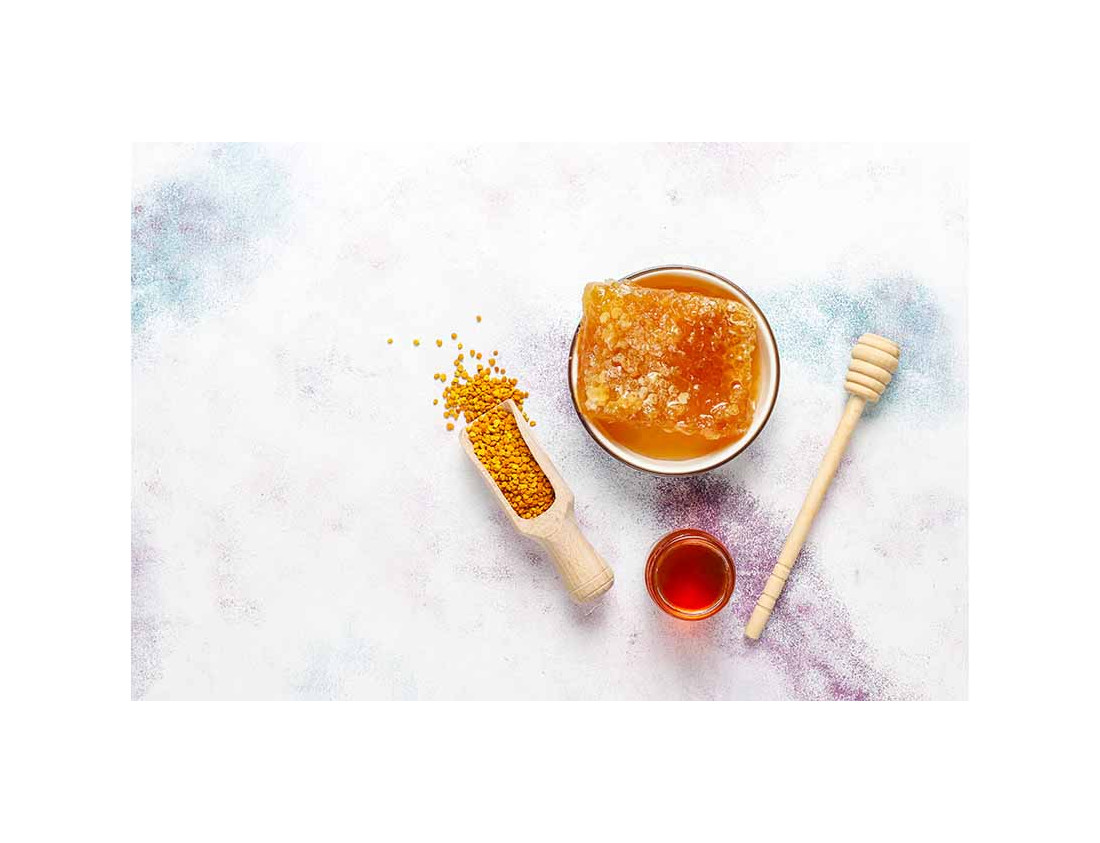
Today we're talking about a honey that's becoming increasingly sought-after for its countless benefits: Manuka honey. If you haven't heard of it yet, you certainly won't be able to live without it once you've tried it. Let's take a look at this increasingly popular honey!
The history of Manuka honey
To find out where this little treasure of nature comes from, we need to go back in time. We're talking about a period around 1000 years ago. That's when the Maoris landed on New Zealand territory after a long and arduous journey.
On their arrival, the Maoris not only settled down, but above all discovered this unspoilt natural environment and the thousand and one plants it generously offered. And so, after much research and study, particularly of medicinal plants, some of their finds proved to be real treasures with very high curative potential.
In particular, they found a shrub distinguished by its strong-smelling leaves and intensely fragrant white and pink flowers. And it's none other than Manuka, also known as Kahikatea.
What exactly is Manuka?
This shrub belongs to the Myrtaceae family. In other words, it belongs to the Myrtales order of dicotyledonous plants , which includes eucalyptus, myrtle and clove. Also allspice and guava. Manuka grows wild. In other words, in the pristine lands of New Zealand.
What's more, the shrub thrives in fairly harsh climatic conditions. Flowering is fairly short, lasting around 6 weeks. This leaves little time for the bees to work hard to collect the precious pollen they need to extract all its benefits.
The wonderful virtues of Manuka
The Manuka shrub itself is a concentrate of therapeutic virtues. Indeed, the Maoris understood this. They use its leaves and bark to treat fevers and urinary problems. But also bronchitis and asthma.
Similarly, Manuka leaves applied to the skin heal and relieve problems such as eczema, mycosis and chronic irritation. Finally, we've also discovered that chewing the young shoots helps combat dysentery.
And last but not least, infusions of Manuka leaves help combat rheumatism. So it's hardly surprising that Manuka honey has an extraordinary list of benefits.
The splendid benefits of Manuka Honey
Manuka honey 's popularity is amply justified. Indeed, it is highly sought-after for its impressive array of health benefits. Its properties include
- Helps soothe and heal wounds
- Promotes healing
- Relieves gastrointestinal disorders
- Strongly stimulates immunity
- This nectar will also prevent respiratory infections
- It is also useful for oral health
- Its natural moisturizing action, by retaining water on the skin's surface, nourishes, softens and smoothes the epidermis.
- It helps promote sleep and quality of sleep.
- Finally, it fights skin diseases such as eczema and acne.
Its list of benefits is so extensive that Manuka honey shows up where it's not expected. In cosmetics, it is becoming increasingly widespread.
Manuka honey: the "rolls royce" of honeys in cosmetics
Yes, it's causing a sensation in many fields. And here it's in body care that Manuka honey is answering the call. And this is partly due to its composition. It's rich in vitamins, enzymes and, what's more, antioxidants. What's more, it neutralizes free radicals and helps reduce the visible signs of aging. In other words, it's an obvious choice for beauty products.
In addition, its antibacterial and anti-inflammatory properties are essential to help heal skin imperfections. But it will also even out your complexion and relieve red, irritated skin. And, as we said earlier, it's a precious ally in the fight against other skin problems, such as acne-prone skin.
But what's the secret to Manuka honey's incredible power?
Well, all the extraordinary antibacterial properties of manuka honey are largely due to its high concentration of methylglyoxal. As well as its high hydrogen peroxide content. In other words, to put it plainly, and without going into too much technical detail, the higher these figures, the higher the antibacterial properties.
Manuka honey holds several labels, including the Unique Manuka Factor (UMF) and its French equivalent, Indice d'Activité Microbienne (IAA), which testify to both its high efficacy and its powerful quality. This precious nectar is magnificent from every angle, including its unique color and exquisite taste.
We finish with Manuka honey and its unique taste
This nectar, straight from New Zealand, presents itself with its many qualities. And it's worth noting that its import is inevitably reflected in its market price. But you'll be paying not only for its properties, but also for its refined taste.
Its taste will be different from the honeys we're a little more used to finding, notably the trusty Thyme honey or the indispensable Jujube honey. Indeed, it will present itself in the mouth with its soft, subtle notes of eucalyptus. Its texture and flavor are particularly creamy.
And that's why gourmets can't help but appreciate it. Its opaque orange color will also leave you with a light, delicate caramelized aftertaste .
In conclusion, manuka honey is a true gift of quality, both for your taste buds and for your health.
In Same Category
- Moroccan Breakfast: Everything You Need to Know About the Authentic Beldi Breakfast
- Comment bien choisir son fournisseur de miel premium pour revente ou boutique
- E-commerce trends for beekeeping products in 2026: what to sell and how to stand out
- Le rôle des abeilles dans les régions du Yémen, de Russie et du Kirghizistan : défis et protections
- Miel en infusion : comment l’associer à des plantes pour un bien-être optimal